
Metal spraying equipment and materials are extensively used in all areas of Road, Rail, Sea and Air transport to reclaim and salvage over–machined or worn parts, to provide friction and wear control on new parts and to prevent corrosion.
Railway Tracks

Railway Tracks can be Metal Sprayed for Anti-Corrosion protection.
Corrosive environments can reduce rail life vastly, with unprotected rail, lifetimes of less than six months are being reported in some instances. Whilst loss of rail sections (due to corrosion) can occur generally or in more localised areas (e.g. around rail fastenings), it is also important to note that foot fatigue failures often occurs as a result of foot corrosion. Corrosion pits (often unseen) on the bottom of the rail can initiate fatigue cracks which can then grow undetected, resulting in rail failure 1.
British Steel, the UK-based manufacturer of premium steel products, has launched a revolutionary new rail product, which can withstand the rigours of being laid in some of the most corrosive of environment 2.
1 Extracted from: https://www.britishsteel.co.uk/what-we-do/rail/zinoco-corrosion-protection/
2 Extracted from: https://www.industryupdate.com.au/article/british-steel-launches-revolutionary-new-rail-product
Railway Hopper Wagons
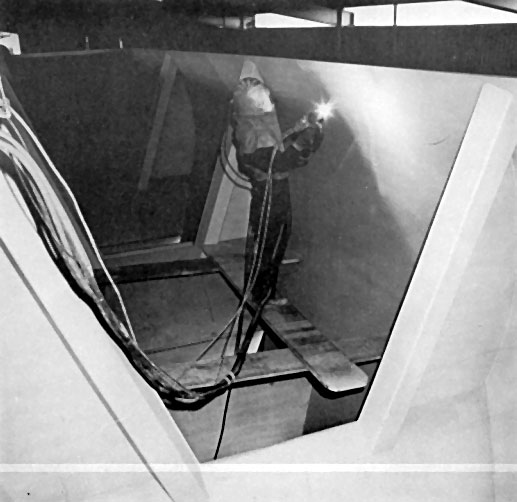
100 tonne coal-carrying hopper wagons in New South Wales have been metal sprayed to protect against corrosive attack as a result of the abrasive action of the coal loading and unloading processes.
Research into the problem determined a metal-sprayed zinc coating of 200 microns (0.008”) thickness was most suitable. The work was carried out at the works of Goninan Limited, the wagon manufacturers, using two Metallisation Arc Spray units after blasting to SA3.
The total area zinc sprayed is 232.4m2 (2,500 sq ft) and the average spraying time was under seven hours.
Liège Train Station
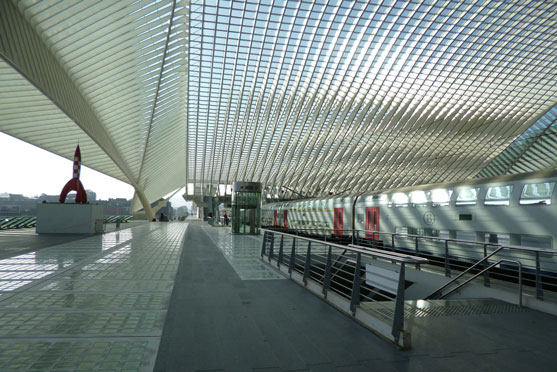
Metallisation’s Arc spray equipment has been used to protect the Liège train station in Belgium from corrosion.
Pintura Y Decoración Industrial Del Rio S.L., a customer of Spanish distributor Descon Quimica S.L., metal sprayed all of the steel structure that makes up the new station using the Metallisation Arc spray 140/S450 system (superseded model) and MK 73 pistols.
Euro Liege TGV is managing the modernisation of Liège train station as part of a major project. The aim of which is to transform the railway stations between Brussels and Liège from basic transport functions, to hot spots of urban life and commerce.
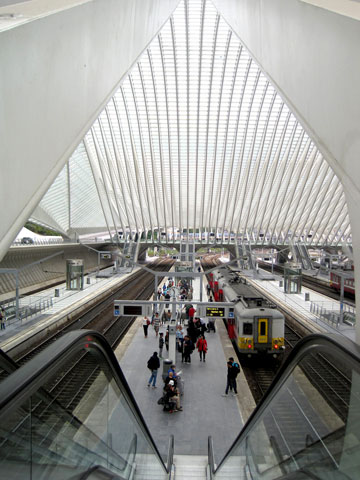
The project should contribute to the renewal of the urban areas close to the station and the river Meuse. The result will be lots of open space, a link from the river to the train station and a new traffic interchange between rail and water.
Work started on Liège train station back in November 2000, and was completed in 2009. Liège train station is the biggest in Europe and has been designed by Spanish architect, Santiago Calatrava. The new structure is made totally of steel and has been metal sprayed to protect against corrosion by Pintura Y Decoración Industrial Del Rio S.L. using 2.3mm of zinc-aluminium – 85/15 wire. The steel structure was metal sprayed off site away from the train station, prior to being installed.
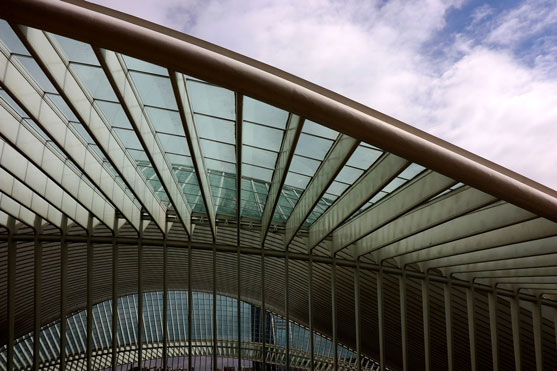
Once installed a number of retouches were required. Using the Metallisation MK-73 pistol and 3.17mm and 2.5mm wire, Pinturas Del Atlantico S.L., another customer of Descon, retouched each welding point on site. The whole project has taken over 90 metric tonnes of wire to spray the original steel work and over 10 metric tonnes of wire for the retouching.
Ignacio Sanchiz, Director at Descon Quimica S.L says: “This has been such an exciting project for our customer to be involved with. We are very pleased that we have been able to assist in delivering an efficient and reliable system for them to do justice to such a project. Metallisation equipment has always been strong and reliable. It has proved to be a success once again for our business and our customers.”
Railway Coach Axles
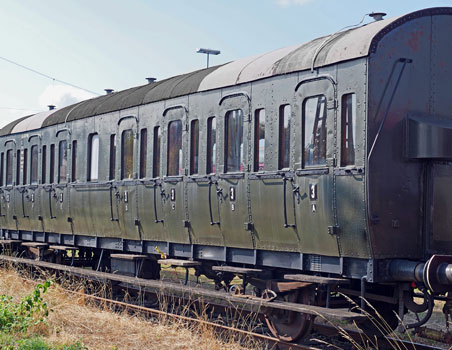
Many hundreds of passenger coach axles have been treated by with an arc sprayed copper deposit forming a brush path. No undercutting is carried out and the copper deposit is sprayed through a metal stencil held a short distance away from the axle onto a grit-blast surface. After spraying the copper deposit is machined.
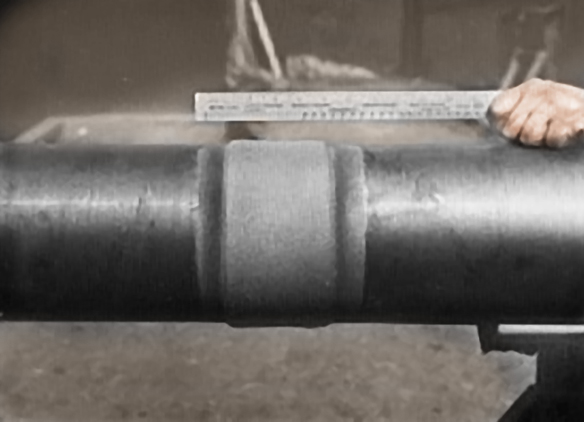
The method of testing the coating is by rolling to compact the copper. During testing a failure rate of 50% occurred with axles previously sprayed with a molybdenum bond coat and subsequently built up with copper using Flame Spray Equipment. Using Electric Arc Equipment, the success rate is now 100%.
Sea Corrosion and Non-Slip Coating Solutions

Sea corrosion is a major problem for the shipbuilding and fishing industries. To ensure the long-term anti-corrosion protection of the ocean going vessels, metal spray is used on various parts of the vessels with an aluminium and zinc coating. Many parts of the vessels are specified to be metal sprayed for improved safety, durability and hence life cycle costs. Metal spray is much more durable than paint and independent European standards (EN14713 and EN2063) show that a life to first maintenance of 20 years or more can be achieved in sea water splash zones. The deck and the hull, which sits above the waterline, have to be metallised to protect them against the harsh sea environment.
Other parts of the vessels metal sprayed include: the Refrigerated Sea Water (RSW) tanks (where fresh fish are stored on board), fish processing rooms, chutes into the fresh fish tanks, net winching sheaves and drums, masts and the trawl boards. Not only are these elements exposed to the harsh, destructive sea environment, but also to the daily ravages of wear and tear of the equipment used in the trawling process. The durability of metal sprayed coatings means that maintenance downtime to re-paint these areas is greatly reduced.
Metal or thermal spraying is a technology that protects or extends the life of a wide variety of products in the most hostile environments and in situations where coatings are vital for safety and performance. Durable non-slip coatings can be applied for use on steel floors, ship decks and panels across diverse industries, from train steps and manhole covers to oil platforms and ships.
Below you can see the stern of vessel being sprayed with Zinc using a crane and the Arc Spray process.
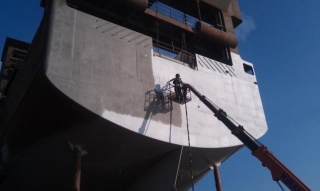
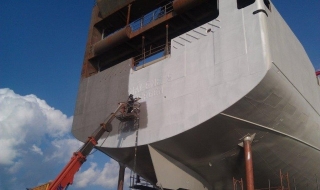
Other areas where Metal Sprayed anti-corrosive coatings are applied include, but are not limited to: Radar Masts, Steam pipes, Exhaust pipes, Ladders, Lifeline Stanchions, Diesel Exhaust Stacks and Steam Riser Valves.
The reclamation of worn parts for ships is usually subject to Lloyd’s Register, particularly on larger vessels. Reclamation applications include, but are not limited to: Propeller Shaft Bearing Journals, Turbo Hydraulic Pump, Rudder, Bilge Pump, Main Circuit Pump, Stabilisers, Capstan and Winches.
For a more in depth analysis of Metal Spraying in the Marine industry, Click Here.
Road Transport Solutions

Road transport vehicles are subjected to harsh environments on a daily basis. Various Metal Sprayed coatings are used to either enhance the surface properties, increase corrosion protection, reclaim a surface or a combination of the aforementioned. An anti-slip coating can be added to improve safety in wet conditions; this is also carried out on the tail lift of vehicles. The external framework of reefer refrigeration containers are coated with an Arc Sprayed anti-corrosive coating to protect against corrosion and damage caused by loading and unloading from vehicles and ships as the Metal Spray is more durable than just paint. Tipper truck bodies are flame sprayed for anti-corrosion purposes (see below image).
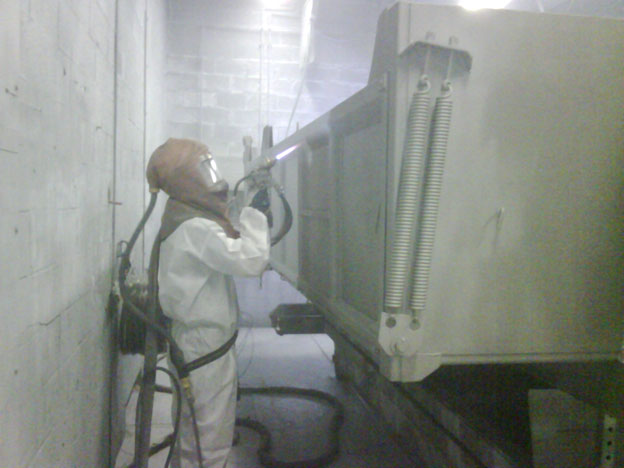
For a more in depth analysis of Metal Spraying in the Automotive industry, Click Here.
Trailer Chassis – Minimum of 10 Years Protection
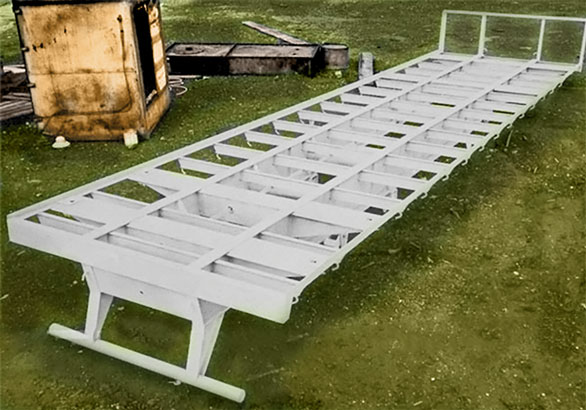
The problem arising from having corrosion on road vehicles is receiving ever-increasing attention and various systems are being devised to protect private cars. For commercial vehicles however, such as the semi-trailer illustrated above, without doubt, the best means of protection for the long life expected from these units is zinc spraying which will fully protect against rust and corrosion for a minimum of ten years without maintenance. The specification for the treatment carried out on the chassis shown in the photograph was grit blasted followed by 100 microns (0.004”) zinc sprayed with a Flame Spray system. The manufacturer’s usual decorative paint finish was then applied. Chassis treated in this way have been running for a number of years and the treatment has proved entirely satisfactory.
For a more in depth analysis of Metal Spraying in the Automotive industry, Click Here.
Animal Transport Vehicles
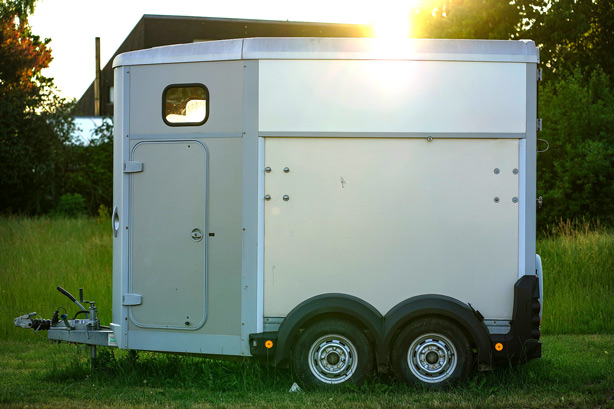
An application where the Metal Spray process has a significant advantage over Paint and Galvanising is in Animal Transport Vehicles and Trailers. Not only does the surface have to be able to withstand wear from the animal hooves that may contain erosive soil for example, but also the chemical effect of their urine and excrement. The use of Zinc in this application works within a pH range of 6 to 10. The urinary pH range for the cow, sheep, goat, and horse is ∼7.9 ± 0.5. For the pig, this range may extend to 6.5 ± 1.5, for cats and dogs 6.0 ± 1.0, and for humans 6.5 ± 1.5 (1). The diet of the animal is the major determinant of urinary pH levels.
Road Sweeper Body
Image for decorative purposes only.
The internal surfaces of a road sweeper vehicle belonging to the Cambridgeshire and Isle of Ely County Council UK have been zinc sprayed to a thickness of 300 microns (0.012”) using an Arc Spray System. Previously, the paint-protected steel had a very short life and maintenance costs were very heavy. The zinc sprayed road sweeper was in operation for six months with no sign of corrosion. In a similar context we understand that rock salt spreader vehicles in Scandinavia are also zinc sprayed and their life, although they work under arduous conditions, can be considerable. Many vehicles are at least eight years old and may deposit as much as 20 tons of rock salt per day.
Helicopter Landing Platform
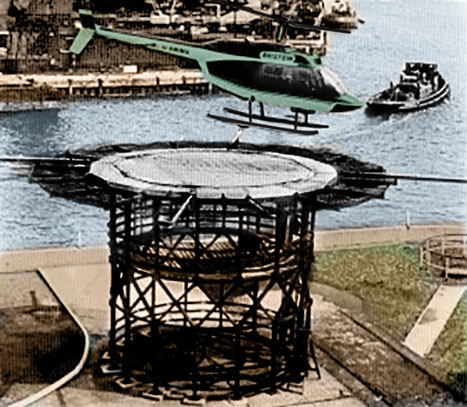
The structural steelwork of a helicopter landing platform is protected against the severe corrosion attach of its marine environment by the Metallisation Arc spray process. The application calls for grit blasting and aluminium spraying to a depth of 150mm (0.006”) in accordance with BS EN.22063. The sprayed surface is then treated with an Olive Green single pack inhibitive Sealer, followed by a coal tar epoxy paint system.
Tow Truck Tilt Slide Tray
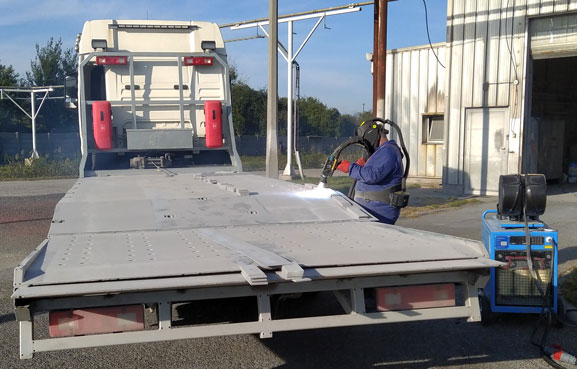
Image Provided Courtesy of Metal Spray Hungary
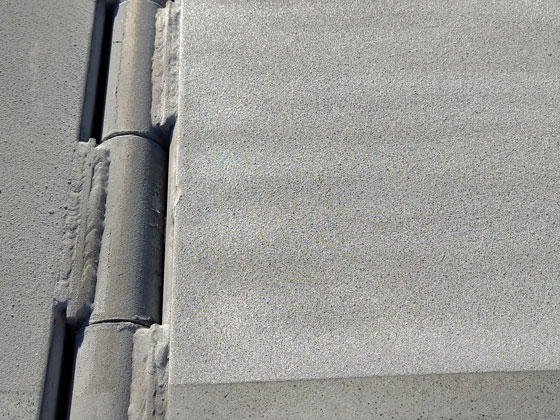
The tilt slide tray of a tow truck was Arc Sprayed with Metallisation equipment to provide an anti-slip coating.
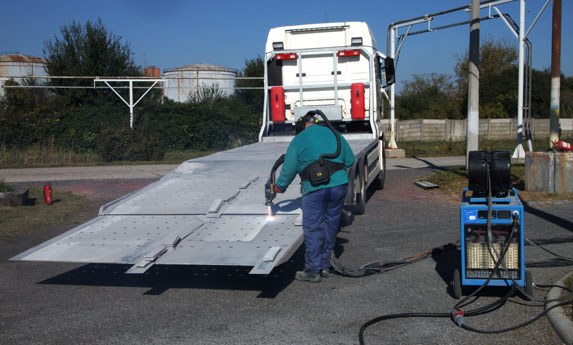
Traditionally, steel structures are hot dip galvanised, or painted, to protect against corrosion. The disadvantage of hot dip galvanising is that the surface can become slippery and it does not easily accept paint without the need for special primers. Painting this type of surface, which is sometimes applied with grit inclusions, also has its disadvantages. The surfaces can degrade quickly from heavy use, resulting in corrosion and an increased slip hazard.
To ensure safe industrial operating conditions, vital to personal safety and corporate productivity, the MSSA 28E coating provides a durable non-slip anti-corrosion coating.
Images Provided Courtesy of Metal Spray Hungary
A 28E coating is a thermally sprayed coating that can be applied with a rough texture and has excellent non-slip properties, while being extremely hard and resistant to wear.
We can provide you with MSSA 28E wire for all of your non-slip/anti-slip applications.
Contact us for more information.
Aerospace Industry

Typically, Pacific Rim airports are often located on the coast and air bridges are exposed to this harsh marine environment. Coating systems have to provide long-term, advanced corrosion protection and be visually attractive to the same high standard as automotive bodywork. This requires a zinc anti-corrosion coating that is smooth enough to facilitate a functional, yet decorative paint system and protect the air bridge against the elements.
With increased air travel and a diverse range of commercial passenger jets landing at New Zealand airports, robust, attractive air bridges are a necessity. The air bridges also need to be versatile and able to accommodate current and new generation commercial jets, particularly the Airbus A380.
The Telegraph (UK) published an article on Metal Sprayed Non Slip Coatings for UK Aircraft Carriers.
For a more in depth analysis of Metal Spraying in the Aerospace industry, Click Here.
Livestock Trucks
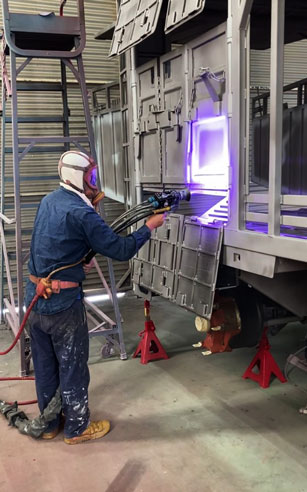
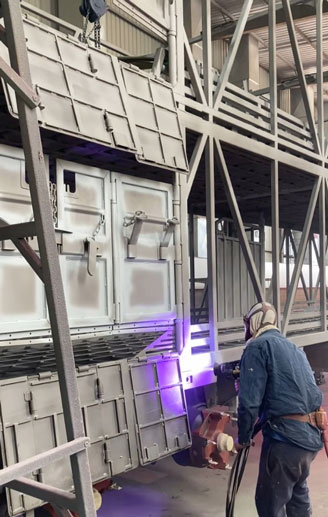
Livestock/Cattle trucks use the Arc Spray process to protect them from corrosion.
For more information on Metal Spray equipment or consumables, call us on 07 3823 1004, or email us using our contact form.